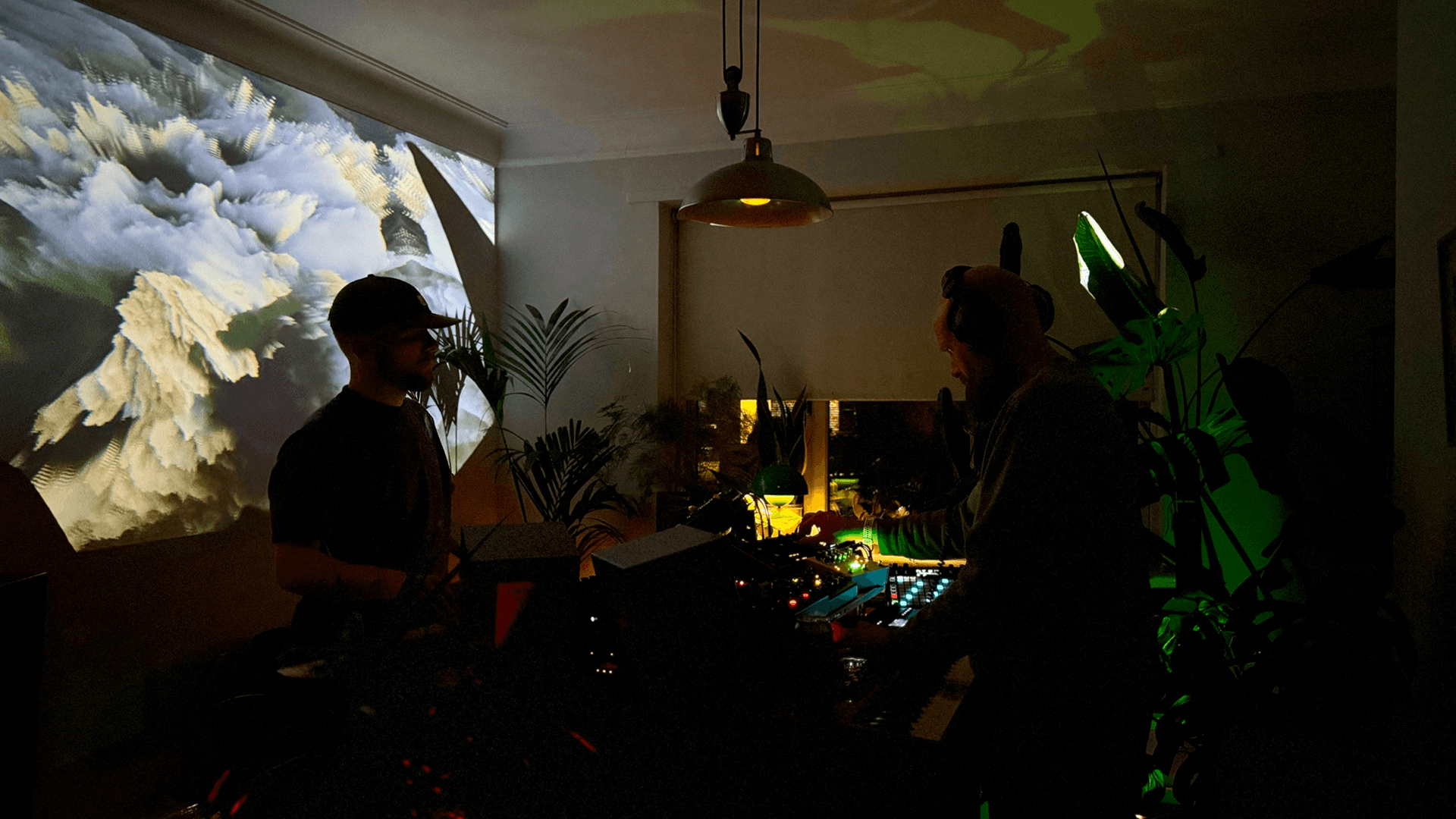
A shared creative space
The appeal of Slow Trance was the chance to make something together. Musicians and designers brought complementary skills and a willingness to experiment. Music, visuals, and branding developed alongside one another, giving us a shared world to build the performance around.
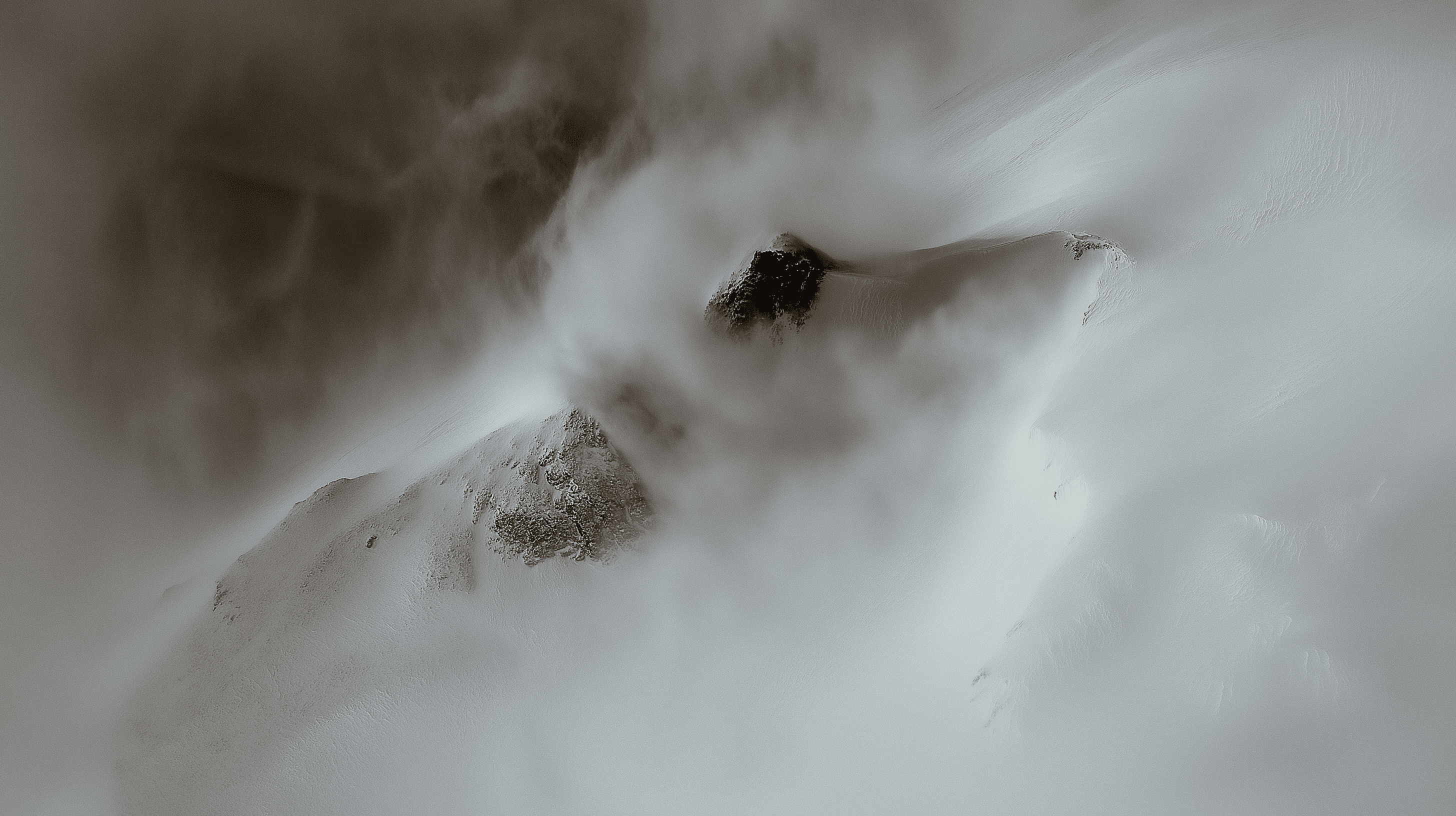
Finding a visual language
I used Midjourney and Runway to explore generated images and video, while learning how to make moving visuals respond to music. The creative question was how those elements could work together: how an image could shift with sound, build atmosphere, and give the audience another way into the music.
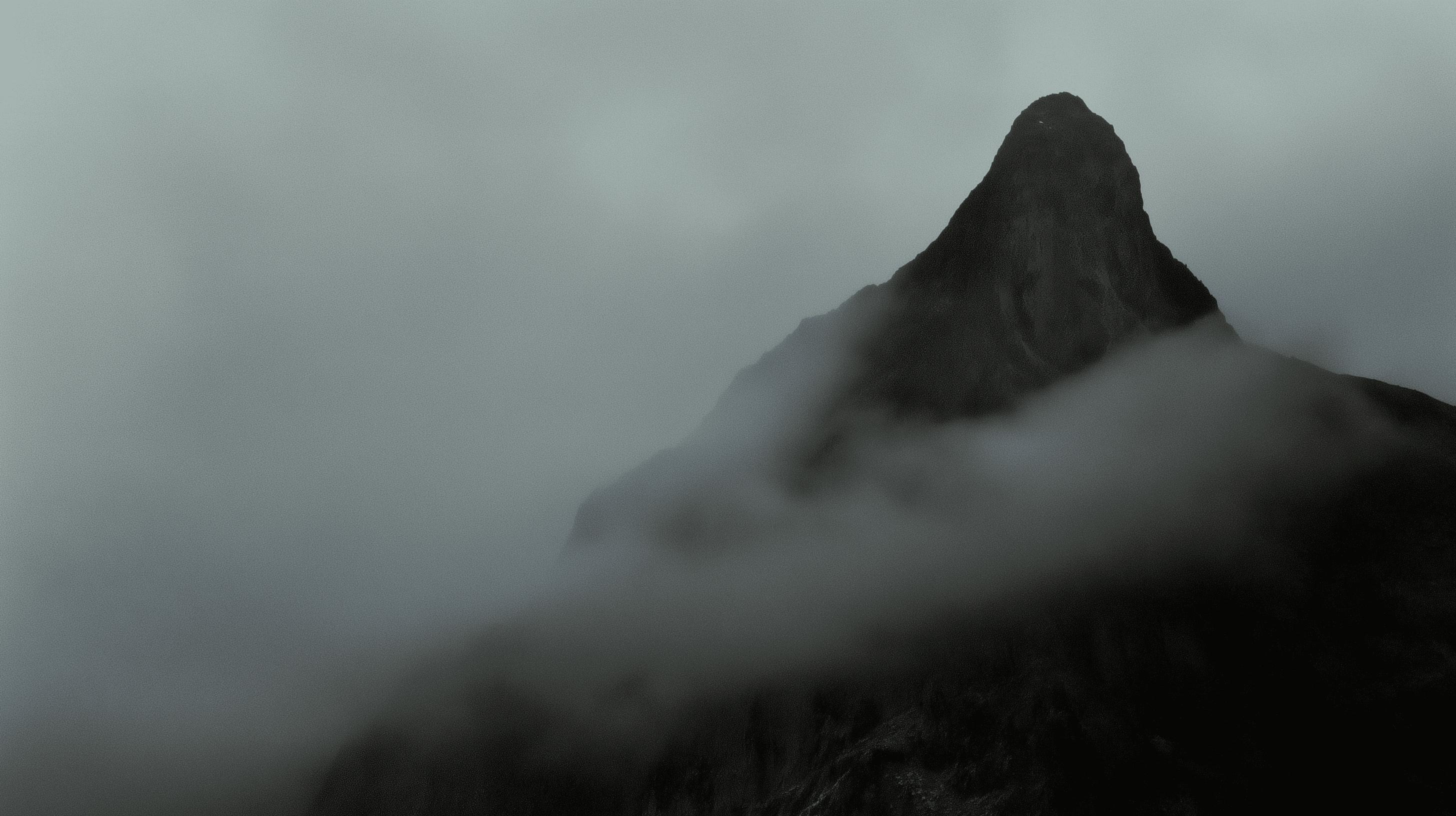
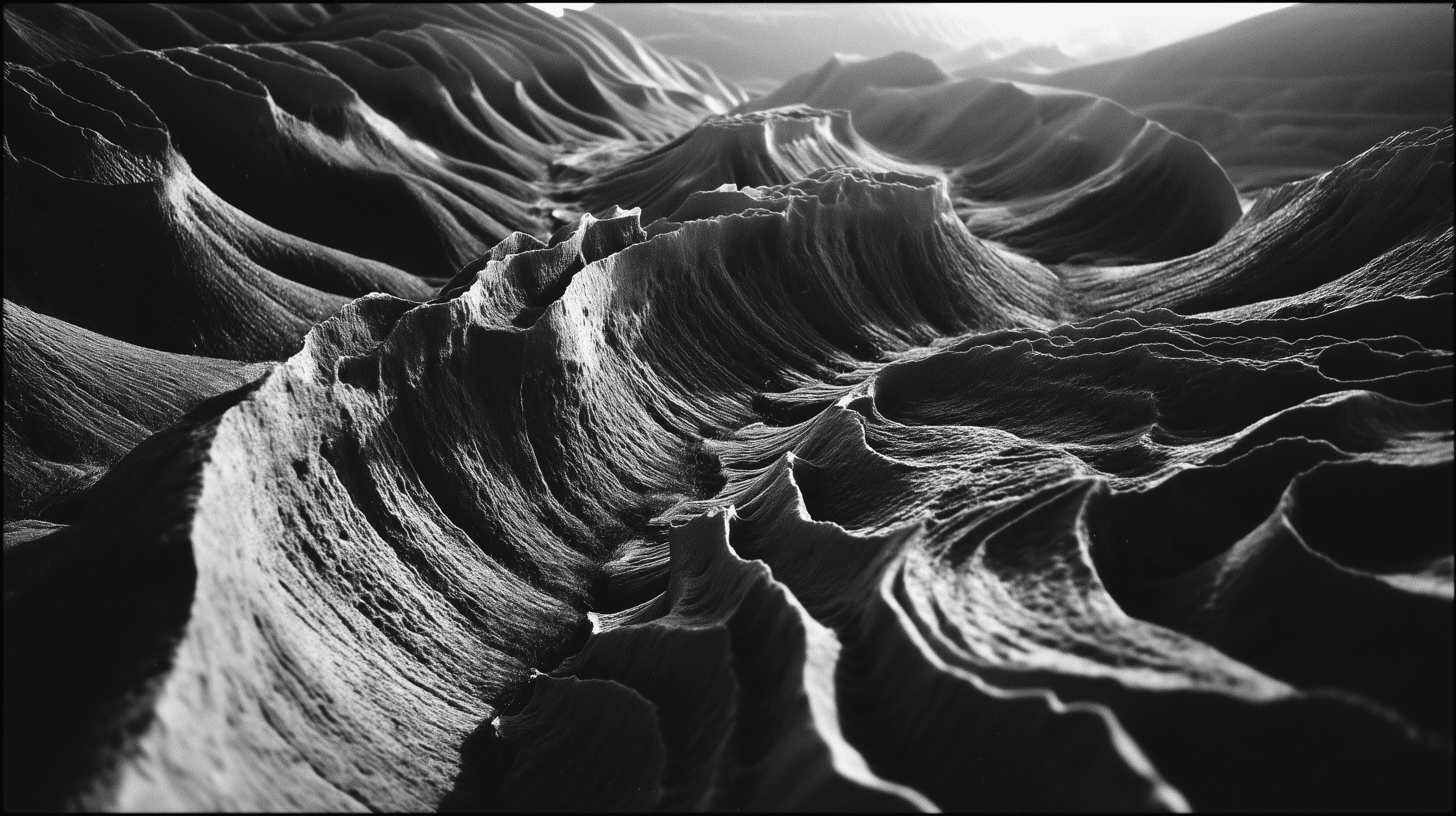
Bringing the pieces together
We set ourselves a concrete goal: perform for a live audience and stream the experience on YouTube. Rehearsals gave us time to bring the music and visuals together, alongside work on the project’s branding. There was plenty to figure out behind the scenes, but each step served the same ambition—to make the sound and image feel like one performance.
Live, in the room and online
The project culminated in a performance with a live audience, streamed simultaneously on YouTube. Music and responsive visuals came together in a shared, immersive experience. Getting it all to work live was a technical achievement, and the reward was seeing our separate contributions become something we could experience together.
Learning through making
Slow Trance gave me a way to explore generative visuals through a real performance. I gained experience with AI image and video tools, a better understanding of how moving images can respond to sound, and the experience of taking a collective idea through to a live event. The most rewarding part was working with people whose skills complemented my own, and discovering what we could make together.